


Arnés - Hardshell
The harness is an important part of your kitesurf equipment. You probably already know that there are two different types of kite harnesses: the seat harness and the waist harness. The waist harness, which sits around the middle of your body, is now also available with a hard shell/back plate. These so-called hardshell harnesses provide much more support during kitesurfing compared to a softer harness (softshell). The hardshell harness fits closely to the body and therefore stays in place better. A major advantage of a hardshell harness is that it distributes the power of the kite more effectively across the rider’s back. This reduces the chance of back pain and allows you to hold the kite longer during your sessions. Kitemana sells hardshell harnesses from brands such as Ride Engine, Mystic, ION, Manera and Dakine. Read more below ».
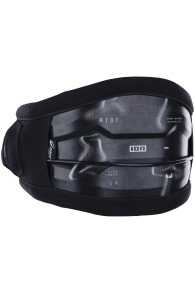
ION
Riot Curv 2026 Harness
429,-
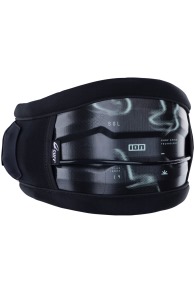
ION
Sol Curv 2026 Women Harness
429,-
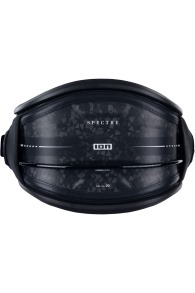
ION
Spectre Harness
549,-
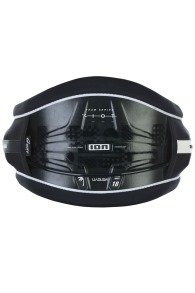
ION
Team Series Harness
293,- 489,-
1 - 4 desde 4
Productos por páginaArnés - Hardshell
The harness is an important part of your kitesurf equipment. You probably already know that there are two different types of kite harnesses: the seat harness and the waist harness. The waist harness, which sits around the middle of your body, is now also available with a hard shell/back plate. These so-called hardshell harnesses provide much more support during kitesurfing compared to a softer harness (softshell). The hardshell harness fits closely to the body and therefore stays in place better. A major advantage of a hardshell harness is that it distributes the power of the kite more effectively across the rider’s back. This reduces the chance of back pain and allows you to hold the kite longer during your sessions. Kitemana sells hardshell harnesses from brands such as Ride Engine, Mystic, ION, Manera and Dakine. Read more below ».
Hardshell harnesses at Kitemana
Do you often kite in conditions with lots of impact? A hardshell harness is the perfect choice for riders looking for support, control and performance while kiting. Thanks to the stiff backplate, a hardshell harness distributes the power of the kite more efficiently across your back. This provides more stability, fewer pressure points and a more direct feeling with your kite. You will especially notice the difference during storm sessions, long-distance rides or high jumps. Many freeriders, big air kiters and freestyle riders therefore choose a hardshell harness. The solid construction prevents the harness from deforming when strong forces are applied. At the same time, modern materials and high-quality padding ensure plenty of comfort. Not sure if a hardshell harness is right for you? Below we answer the most frequently asked questions to help you make the right choice.
What is the difference between a hardshell and softshell harness?
The biggest difference between a hardshell harness and a softshell harness is the stiffness of the backplate. A hardshell harness has a solid frame, often made from fiberglass or carbon, that maintains its shape when the kite applies force. This allows the pressure to be distributed better across your back and prevents your waist from being compressed. A softshell harness is softer and more flexible, which means it moves more with your body but can also deform more easily under load.
Another advantage is efficiency on the water. Because less foam and soft material are required, a hardshell harness is often lighter and absorbs less water during your session. Many riders also notice a difference in comfort. A hardshell harness tends to stay in place better and is less likely to ride up during your session, especially when tightened correctly.
Finally, hardshell harnesses often score higher in durability and freedom of movement. The strong frame provides long-lasting support, while a softshell harness can become softer over time and offer less support. At the same time, hardshell harnesses are usually built slimmer, allowing better movement during tricks, jumps and other maneuvers on the water.
What fit should my hardshell harness have?
A hardshell harness should fit snug and stable around your waist without squeezing too tightly. Because the backplate is stiff, the harness shapes less to your body than a softshell harness. That’s why it’s important that the harness fits well around your back and hips. When you put the harness on, it should feel secure and not move when force is applied. A properly fitting hardshell distributes pressure evenly across your back and prevents your body from being compressed while riding. Keep in mind that a harness becomes slightly looser when it gets wet. If you’re between two sizes, it’s usually better to choose the tighter one so the harness is less likely to ride up.
Everyone has a different body shape and brands design their harnesses with slightly different fits. That’s why it’s best to try several models and sizes if possible. You could even ask a kite buddy if you can try their harness once. Do you live near our megastore in Noordwijk? Then we recommend stopping by so we can give you personal advice. Book your personal shopping appointment here.
What materials are hardshell harnesses usually made from?
A hardshell harness is defined by its rigid backplate. This backplate is typically made from fiberglass, composite materials or carbon. Each material has its own characteristics in terms of stiffness, weight and price, but the core function remains the same. The material choice mainly influences how direct and comfortable the harness feels during your session.
Fiberglass is one of the most commonly used materials for hardshell harnesses. It is strong, relatively lightweight and more affordable than carbon. Fiberglass offers a good balance between stiffness and flexibility, providing solid support without feeling overly rigid. That’s why it is commonly used in many all-round hardshell harnesses.
Composite hardshell harnesses are made from a combination of materials such as fiberglass with plastics or other reinforcing fibers. By combining materials, brands can design specific flex patterns and shapes. This results in a harness that provides strong support while still remaining comfortable during longer kitesurf sessions.
The most high-end option is carbon. Carbon is extremely light and very stiff. This allows the harness to keep its shape perfectly even when the kite pulls hard. The result is maximum support and a direct connection with your kite. Carbon hardshell harnesses are usually more expensive but are often chosen by advanced riders looking for top performance and the lowest weight.
Which brands of hardshell harnesses does Kitemana sell?
At Kitemana we offer hardshell harnesses from all major kite brands.
ION: WE LIVE THE VERSATILITY OF ACTION SPORTS
Manera: STAY SALTY NO MATTER WHAT
Mystic: BOUNDLESS WATERS
Prolimit: PUSH THE EVOLUTION OF WATER SPORTS TOGETHER
Ride Engine: ENGINEERED FOR PRECISION, COMFORT, AND CONTROL IN EVERY SESSION.
No tienes ningún producto en tu cesta.
¿No sabes por dónde empezar?
Contacta con nuestra atención al cliente para recibir asesoramiento
