

Cometa Duotone Kiteboarding
The Duotone kites are seriously strong and built to the highest standard. Fly one and you feel it straight away: Duotone has thought through every part of the kite. Duotone kites are developed at the Duotone Mothership in Austria and tested worldwide together with team riders like Aaron Hadlow and Matchu Lopes. The range covers every kitesurfing style and every level. Want to throw the biggest loops? Grab the Duotone Vegas. Is your playground out in the waves? Go for the Duotone Neo. Just getting started and after a kite you can grow into? You won't get bored of the Duotone Evo. By now it's clear enough: Duotone Kiteboarding kites are a fixed part of the kitesurfing world. Questions about the kites, or need a hand choosing? Call us, email us or send a WhatsApp. We're happy to help you pick the right Duotone kite. Read more below ».
Duotone Kiteboarding
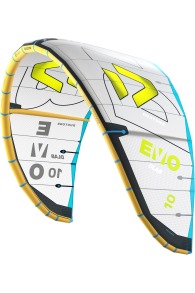
Rebel SLS 2026 Kite
1.429,- 2.049,-
Duotone Kiteboarding
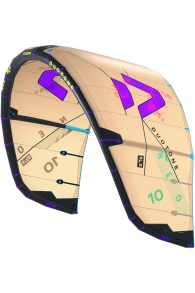
Evo D/LAB 2026 Kite
1.779,- 2.549,-
Duotone Kiteboarding
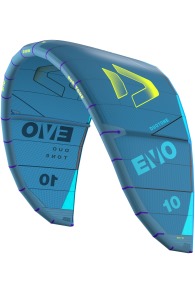
Neo SLS 2026 Kite
1.219,- 1.749,-
Duotone Kiteboarding
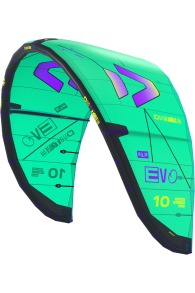
Evo 2025 Kite
979,- 1.399,-
Duotone Kiteboarding
Evo SLS 2026 Kite
2.079,-
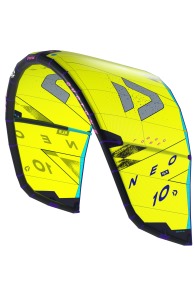
Duotone Kiteboarding
Neo SLS 2025 Kite
1.349,- 2.239,-
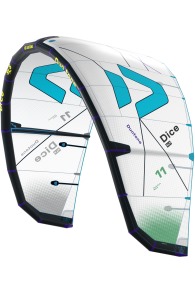
Duotone Kiteboarding
Dice SLS 2026 Kite
1.279,- 1.829,-
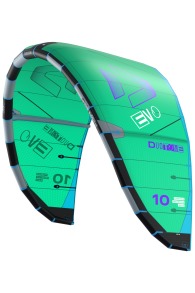
Duotone Kiteboarding
Evo 2026 Kite
1.399,-
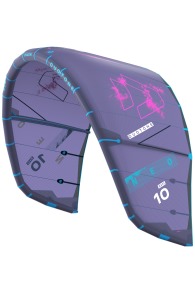
Duotone Kiteboarding
Neo 2026 Kite
869,- 1.239,-
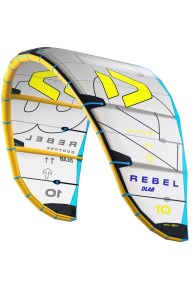
Duotone Kiteboarding
Rebel D/LAB 2025 Kite
1.989,- 2.849,-
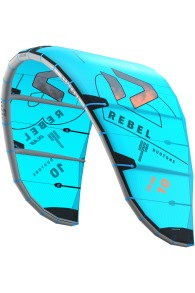
Duotone Kiteboarding
Rebel D/LAB 2026 Kite
2.899,-
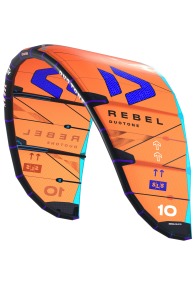
Duotone Kiteboarding
Rebel SLS 2025 Kite
1.229,- 2.049,-
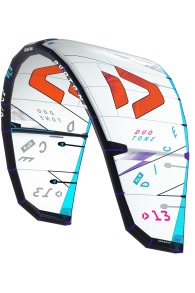
Duotone Kiteboarding
Dice SLS 2025 Kite
1.299,- 2.159,-
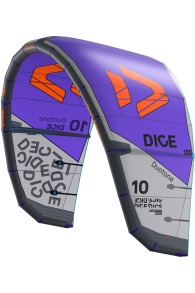
Duotone Kiteboarding
Dice SLS 2027 Kite
1.869,-
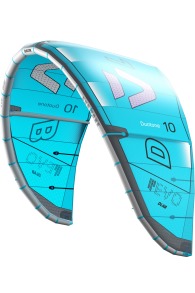
Duotone Kiteboarding
Evo D/LAB 2027 Kite
2.599,-
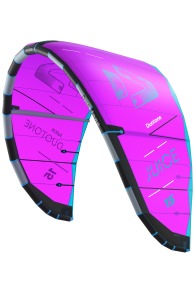
Duotone Kiteboarding
Juice 2026 Kite
2.319,-
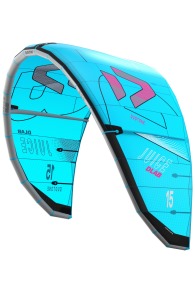
Duotone Kiteboarding
Juice D/lab 2026 Kite
3.399,-
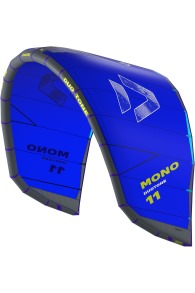
Duotone Kiteboarding
Mono 2025 Kite
799,- 1.149,-
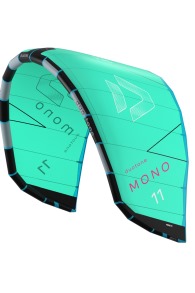
Duotone Kiteboarding
Mono 2026 Kite
1.149,-
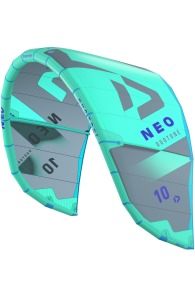
Duotone Kiteboarding
Neo 2025 Kite
1.039,- 1.729,-
-19 - 6 desde 26
Productos por páginaCometa Duotone Kiteboarding
The Duotone kites are seriously strong and built to the highest standard. Fly one and you feel it straight away: Duotone has thought through every part of the kite. Duotone kites are developed at the Duotone Mothership in Austria and tested worldwide together with team riders like Aaron Hadlow and Matchu Lopes. The range covers every kitesurfing style and every level. Want to throw the biggest loops? Grab the Duotone Vegas. Is your playground out in the waves? Go for the Duotone Neo. Just getting started and after a kite you can grow into? You won't get bored of the Duotone Evo. By now it's clear enough: Duotone Kiteboarding kites are a fixed part of the kitesurfing world. Questions about the kites, or need a hand choosing? Call us, email us or send a WhatsApp. We're happy to help you pick the right Duotone kite. Read more below ».
Navigate below and find out everything about Duotone kites
Looking for a new Duotone kite? On this page you'll find all the information about the kites Duotone builds. Buying a Duotone kite isn't something you do on a whim, it takes a bit of time, and you want the right kite for your level and the way you ride. That's why this page gives you a clear overview of every model, plus the technologies Duotone uses to build its kites to the highest possible quality. Still have questions after reading, or need more detail? Get in touch and we'll help you find the perfect Duotone kite. Want to know more about the history of the brand? Read it here.
Frequently asked questions about Duotone kites:


Which technologies does Duotone use in its kites?
If you want to build kites that perform at the highest level, you need the right technology behind them. Thanks to designers and team riders with years of kitesurfing experience, Duotone kites are packed with technology and innovation, so you can rely on your kite even when conditions turn extreme. It's also why a Duotone kite consistently flies and feels like one of the best out there.
SLS stands for Strong Light Superior and is the mantra behind every high-end Duotone product where performance is the critical factor. For SLS kites it means the heavy Dacron is replaced by the new Penta TX material, which is up to 15% lighter. On top of being lighter, Penta TX has five times the tear resistance and 50% less stretch. Combine that with the Trinity TX canopy and you have a winning package: the kite flies better in light wind and you can keep riding it longer when the wind picks up.
D/LAB kites are the ones built with Aluula. The new material, combined with new construction features, cuts the weight of the kite by up to 30% compared with standard constructions. Depending on the size that's a saving of up to 1 kg, which you notice most in light wind. Against Dacron, Aluula has 38% higher tensile strength and seven times the tear resistance. The lower weight and improved handling make D/LAB kites more playful: you'll be on the water sooner, boost higher and fly longer than anyone else on the beach.
Concept Blue runs alongside the performance lines. Products in Concept Blue trim are built with a minimal ecological footprint, using materials that are left undyed among other things, which saves a lot of water and cuts chemical use. With Concept Blue, Duotone aims to produce as consciously as possible while keeping the performance of the standard line intact.
Duotone Trinity TX canopy is the cloth every Duotone kite is made from, developed with Teijin. Teijin is the market leader in polyester cloth and sail-oriented materials for watersports, and Trinity TX is exclusive to Duotone kites. The cloth uses a 3x2 yarn combination, which gives the best balance between performance and durability in kite cloth.
Duotone Trailing Edge Force Control matters because your kite is made up of a lot of different materials, and the loads acting on it need to be spread properly across the whole canopy. Trailing Edge Force Control creates a clean transition from the Trinity TX cloth to the Dacron trailing edge. The cloth stays tight, so you won't often hear a Duotone kite flutter. And a kite that sits tight in the air is a kite that flies better.
Heavy-duty leading edge seams matter because the leading edge takes more abuse than almost any other part of your kite. Every Duotone leading edge is reinforced with special sealing seams: the Dacron is backed with self-adhesive Insignia Tape and double stitched. That leaves the leading edge able to handle high loads and all the diagonal forces working on it.
How has the Duotone kite range changed over the years?
At Kitemana you'll find the complete Duotone kite collection. The brand has run under this name since 2019, but the kites themselves go back further: up to and including model year 2018 the same models from the same factory sat on the shelves as North Kiteboarding. Names like Rebel, Vegas and Neo have been around for nearly twenty years because of it. Below we run through every Duotone kite, from the current line-up to the models that are out of production, with what each one is good at and which rider it was built for.
Duotone Evo kite
The Duotone Evo is a genuine all-rounder and one of the most popular kites Duotone makes. The mix of freeride, freestyle and wave characteristics means you can take it almost anywhere. The Evo is stable, has a wide wind range and delivers plenty of lift and hangtime for tricks. The light three-strut design and delta shape also mean it holds its own in the waves. Alongside the standard Evo there's the Evo SLS, Evo D/LAB and Evo Concept Blue. The SLS is sportier and lighter, while the D/LAB is built for maximum performance. Concept Blue is part of Duotone's environmentally conscious line, focused on a smaller ecological footprint.
Duotone Rebel kite
The high jumper of the collection, and in the range without interruption since 2007. The Duotone Rebel has been a fixture for years. This high-performance big air kite is loved mainly for its huge jumps and long hangtime. The bow/SLE shape gives good depower, fast relaunch, gradual power build-up and a wide wind range. The Rebel builds a lot of power and pulls you firmly onto your rail, which is exactly what you want for big air. The solid five-strut design keeps it stable when the wind gets strong. It comes as the Rebel SLS and Rebel D/LAB, with the D/LAB aimed at maximum performance, and there's a Rebel SLS Concept Blue for the more environmentally conscious rider.
Duotone Neo kite
The Duotone Neo was developed specifically for wave riding. Its low weight gives it excellent drift, while it reacts instantly and delivers exactly the amount of power you need, when you need it. The strong depower helps you deal with gusts while you're surfing. The Neo steers fast and direct, so placing it in the right part of the window is easy, and the quick relaunch is a real advantage when you end up in the impact zone. Thanks to the good low end and the light three-strut design, the Neo is also a solid choice for hydrofoiling. It's available in several versions, including the Neo SLS and Neo D/LAB, and can be flown on four or five lines.
Duotone Dice kite
The Duotone Dice was developed as a freestyle and wave kite, but it gets used just as often for big air and kiteloops. The design sits between a C-kite and a bow/SLE kite, so the Dice combines the explosiveness and quick steering of a C-kite with the drift and light profile of a wave kite. It has three struts and can be flown on four or five lines. Ideal for riders who don't want to commit to a single style and are after a fast kite for freestyle and waves alike. These days the Dice is built exclusively in SLS construction.
Duotone Mono kite
One strut, and you feel it immediately. The Mono is light in the air, responds directly to the bar and doesn't fall out of the sky when the wind drops off. That low weight is exactly what makes it strong on the hydrofoil, where you get moving on very little power and need the kite parked high in the window. It works well as a freeride kite for quieter days too, helped by a size range running from 3.5 to 15 meters. A good pick if you want to fill out your quiver for the days you'd normally stay on the beach.
Duotone Juice kite
The Duotone Juice was built for light wind. Despite the strong low end it still feels sporty and gives you enough hangtime for old school and hooked tricks. It relaunches easily and is forgiving, which makes it suitable for beginners and advanced riders alike. Alongside the standard version there's the Juice D/LAB, where the light Aluula construction delivers a better low end and higher performance. The Juice has a three-strut design and can be flown on four or five lines.
Duotone Vegas kite
The Duotone Vegas is a true C-kite for experienced riders who live for freestyle, wakestyle and powered kiteloops. It's direct, explosive and has relatively little depower, so good kite control matters. The solid five-strut design takes a beating and the Vegas is flown on five lines only. Because of that C-kite shape it's harder to relaunch than most other Duotone kites, but for riders who have it dialed it delivers seriously direct power and freestyle performance.
Duotone Rhino kite
A name from the North era, and for a lot of riders from the early days the kite it all started with. The Rhino was the broad freeride and wave kite of the early 2000s, with plenty of power and a direct steering feel. The Vegas originally appeared next to it as the calmer version, after which the two models went their own way. The Rhino left the collection around 2011 and its role was taken over by the Rebel.
Duotone Dyno kite
The race kite from the North years, built for race boards and high speeds in little wind. The Dyno was made to keep pointing high upwind when other kites were already losing ground, which made it a pronounced specialist. It disappeared from the line-up around 2015, with the light wind kite role passing to the Juice, which is tuned less for racing and more for normal sessions.
Duotone Buzz kite
The school kite a whole generation of riders learned on. The Buzz was built to survive: stable in the air, simple to recover after a crash and tough enough to last years in a rental fleet. Performance was clearly secondary to ease of use and safety, because that's exactly what kite schools needed. The Evo and the Neo in their smaller sizes fill that role at most schools today.
About the model years
Duotone releases a new line-up every year, but the steps are usually small. Materials, wingtips and bridle settings change while the character of a model stays put. A kite that's two years old still flies perfectly well and often saves you a decent amount. If you're buying an older model year, check the condition of the bladders, the trailing edge and the bridle lines. Bladders, pigtails and small parts can be ordered separately from the kite spare parts, including for models that went out of production a while ago.
Which Duotone kite suits which type of rider?
Which Duotone kite fits you best comes down mostly to your level and your riding style. The model sets the character of the kite, while the construction decides how much performance you get out of it. Here's which Duotone kite suits which type of rider.
You're still learning. Then you want a kite that reacts predictably, sits stable in the air and doesn't punish your mistakes. The Evo is a great call here. The power builds gradually, the kite is easy to control and it relaunches simply off the water. Best of all, you won't outgrow it quickly: as your level climbs you can make your first jumps on exactly the same kite. Have a look at our other beginner kites too, or go straight for a complete kitesurf set.
You want one kite that does everything. Then the Evo has you covered. This is the all-rounder of the Duotone range. The three-strut design, delta shape and wide wind range mean you can freeride, jump, foil and even take it into the waves. Ideal if you'd rather not own a separate kite for every discipline. Browse all freeride and all-round kites.
You want to jump as high as possible. Then you'll end up at the Rebel soon enough. The solid five-strut frame keeps the profile tight when you're riding fully powered, while the sheet-and-go tuning means the kite generates lift easily. Expect big jumps, long hangtime and strong upwind performance. Still working on your first jumps? The Evo is usually a touch more approachable. Once you're properly chasing height, the Rebel is a great step towards big air.
You want maximum performance. Then the SLS and D/LAB constructions are worth a look. D/LAB uses Aluula in the frame among other things, making the kite considerably lighter and stiffer. It reacts faster, stays in the air more easily and gives you a better low end. SLS sits just below that, with a nice combination of lower weight, extra stiffness and plenty of performance. The character of the kite doesn't change: a Rebel D/LAB is still a Rebel, just with more performance on tap. Browse all Aluula & Pro kites.
You ride mostly in the waves. Then the Neo was made for you. This kite was developed for wave riding and excels in drift, direct steering and control. When you lose line tension mid-turn, the Neo just keeps drifting along with you. Need it back, and you steer it quickly and precisely into the power zone. The fast relaunch is another big plus when your kite ends up in the impact zone. Browse all wave kites here.
You're into freestyle. Then Duotone gives you two good options. The Dice is a versatile freestyle and wave kite with fast steering, explosive pop and good drift, which is perfect if you want to combine freestyle with other disciplines. If you want to go all in on unhooked freestyle and wakestyle, the Vegas is the specialist. This true C-kite is flown on five lines, has little depower and delivers the slack you need for technical freestyle tricks. It does ask more of your technique and is really aimed at experienced riders. Browse all freestyle kites.
You want to get out in light wind too. Then the Juice is your best friend. This light wind kite is designed to squeeze everything out of marginal conditions. Despite the size it still feels sporty, and you can practice hooked and old school tricks on it without trouble. The easy relaunch is another advantage on light days. Browse more lightwind kites, or pair your kite with a lightwind twintip to get going even earlier.
You ride a foil. Then the weight of your kite plays a big part. The Mono has just one strut, which makes it exceptionally light. It stays in the air easily when the wind is down and is very well suited to foiling, and the broad size range makes it usable across a lot of different conditions. The Neo is popular with foilers too, thanks to its good low end and quick steering. Browse our full range of hydrofoils here.
You want a more conscious material choice. Then take a look at the Concept Blue versions. The focus there is on materials and production with a smaller ecological footprint, without changing the character or the performance of the kite. Concept Blue is available within the Evo, Neo and Rebel SLS lines among others.
Which size do you need? That depends on your weight, your level, your board and of course the wind at your home spot. Stuck between two sizes or two models? Get in touch for personal advice, no strings attached. We ship express world wide, so wherever you ride, your kite is on its way quickly.
Duotone kites in action
Duotone kites in action
Specs on paper tell you a lot, but you only really feel how a Duotone kite behaves once you're on the water. In this video with Ruben Lenten, Jamie Overbeek and Lasse Walker you get a proper impression of the Evo D/LAB: how the kite reacts, how fast it steers and which type of rider it's built for. Handy if you're torn between different Duotone kites, or just curious about the latest from Duotone Kiteboarding.
No tienes ningún producto en tu cesta.
¿No sabes por dónde empezar?
Contacta con nuestra atención al cliente para recibir asesoramiento
