Just getting into kitesurfing? We've got you covered. From kites to harnesses, you'll find everything you need to make the right choices as a beginner. Ready to put together your first kite setup? Contact us for personal advice.
Harnesses for beginners
Buying a Harness. We help you as a beginner in making the right harness choice.
Your harness is one of the most important (and probably most undervalued) pieces of your gear. It is the crucial connection between you and your kite. You will hook into a lot of power and use your harness to lean against that… therefore, nothing less than a great fit and the right choice of materials will do! No worries, after reading the following page, you will know everything you need to pick a comfortable, functional and robust harness:
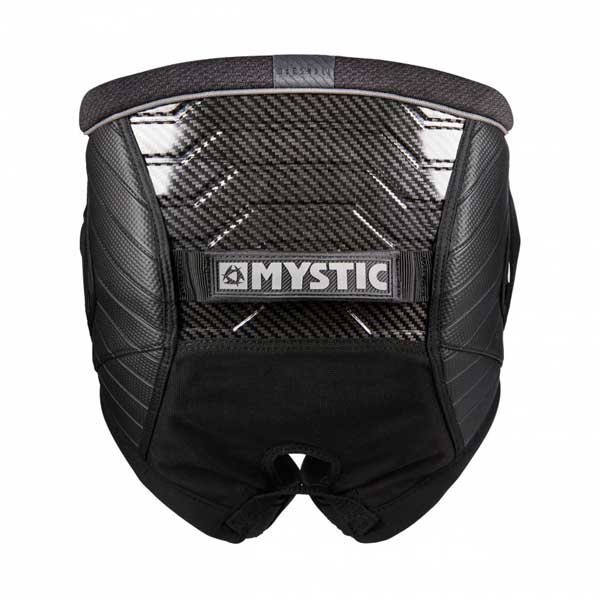
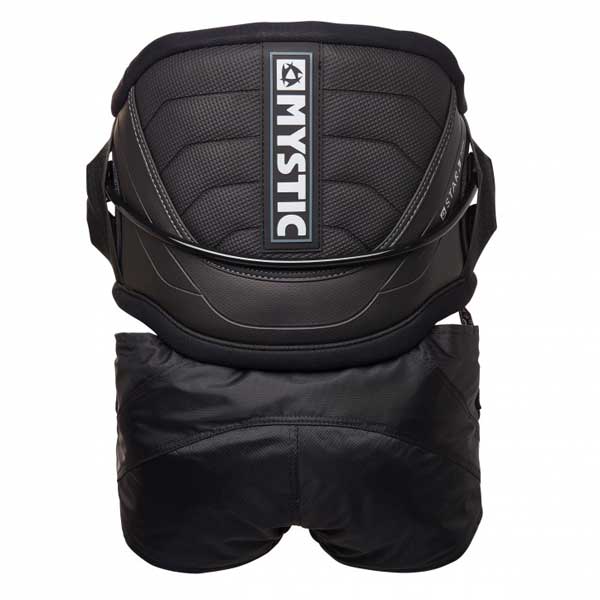
Kitesurf schools mostly use a seat harness for teaching, as they are more convenient in the beginning. Why? When learning how to control the kite and ride your board, the pull of the will mostly be upwards and the seat harnesses cannot slide up, due to the attached leg straps. Also the hook of a Seat harness is often much lower then a waist harness, which will give less pressure to your core.
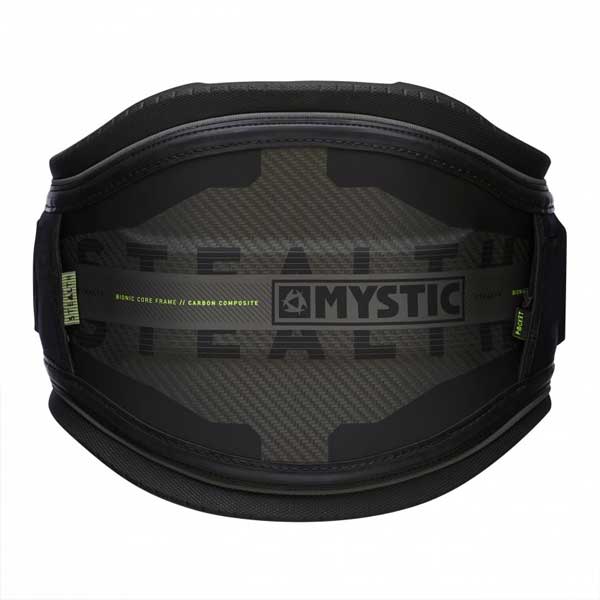
For beginners, that can ride upwind, intermediates and advanced kiters, we generally recommend waist harnesses. Why? They offer more freedom of movement. However, in some cases like for foilers, riders with shorter arms or people with back issues, seat harnesses can be a better option.
Soft shell harnesses
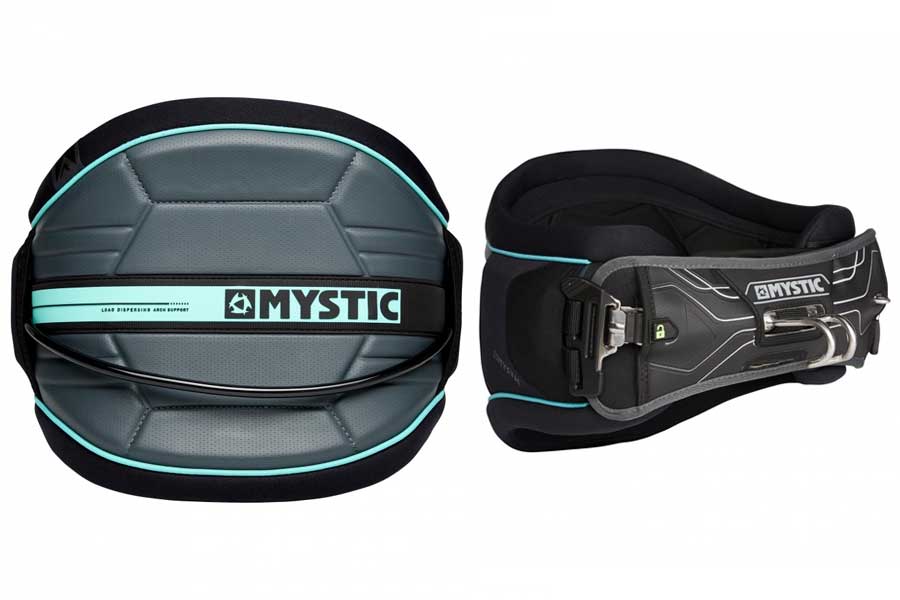
are flexible and do adjust to your body and movements. This offers a lot of comfort, but also the least amount of support for your back. So, if you want to cruise in comfort, go with a soft-shell harness.
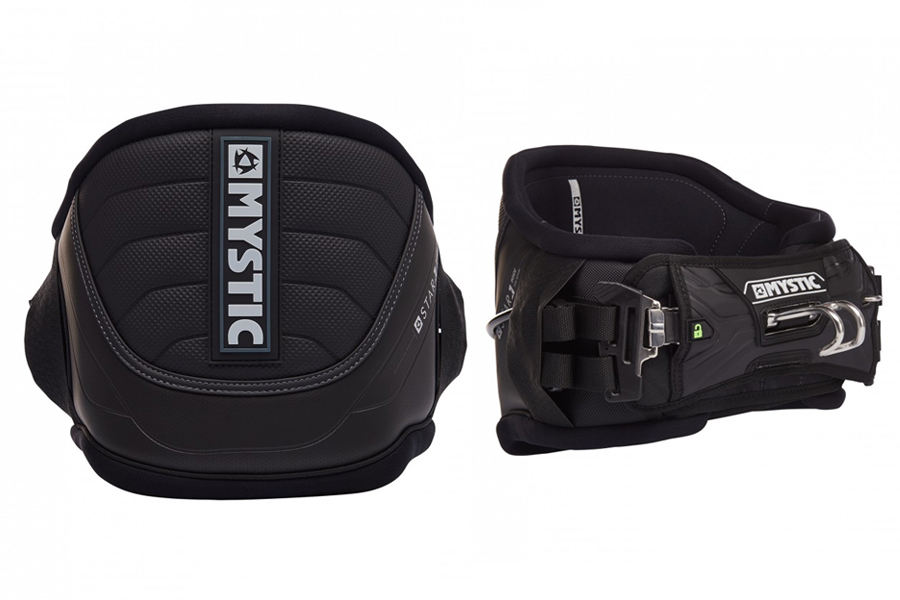
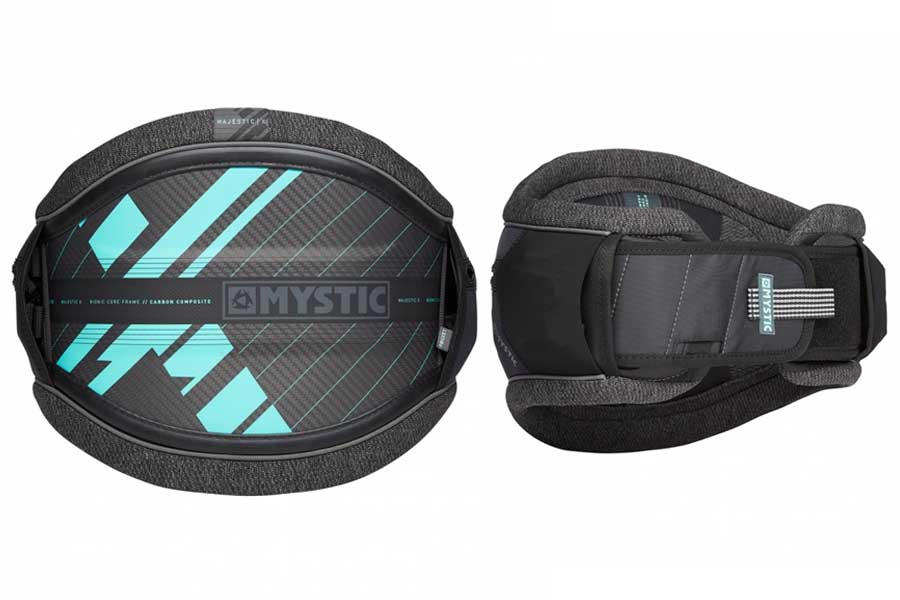
are stiff and keep their shape. This gives you a very direct feedback from your kite and a lot of support. The ideal hard-shell harness spreads the pressure from the kite evenly across the whole back plate and does not pinch you on the side. If you are ambitious or want to ride in strong winds, go with a hard-shell harness.
Flex shell harness
Harnesses that are in between are called medium or flex-shells. These are a mix of both. Some hard shells are more flexible than others and others have a very stiff back plate and flexible side panels. This offers a great mix of comfort and performance and is suitable for most riders.
Most manufacturers offer harnesses from XS to XXL. We have uploaded the size chart for most harness on the product pages in our online shop. Simply measure your waist diameter and check size chart, which size suits you best.
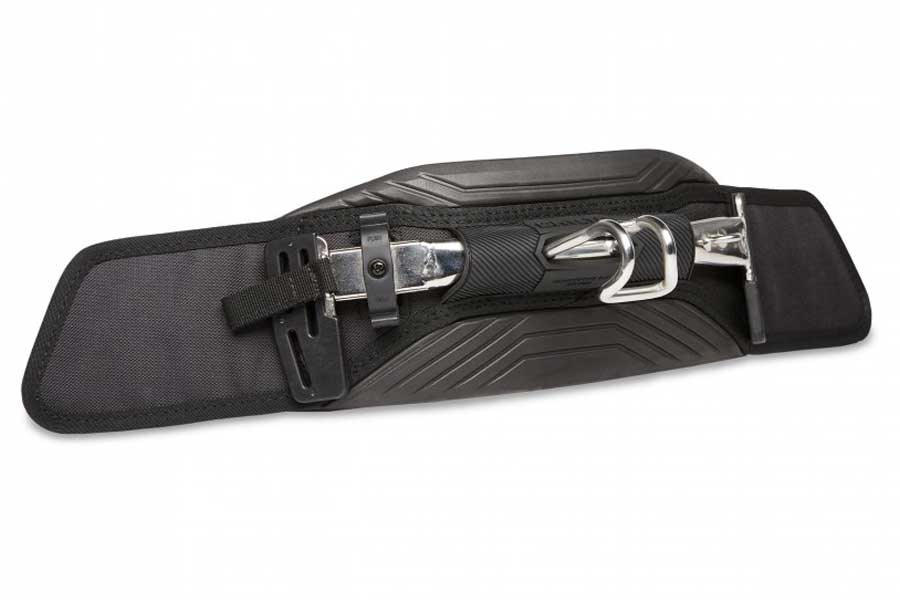
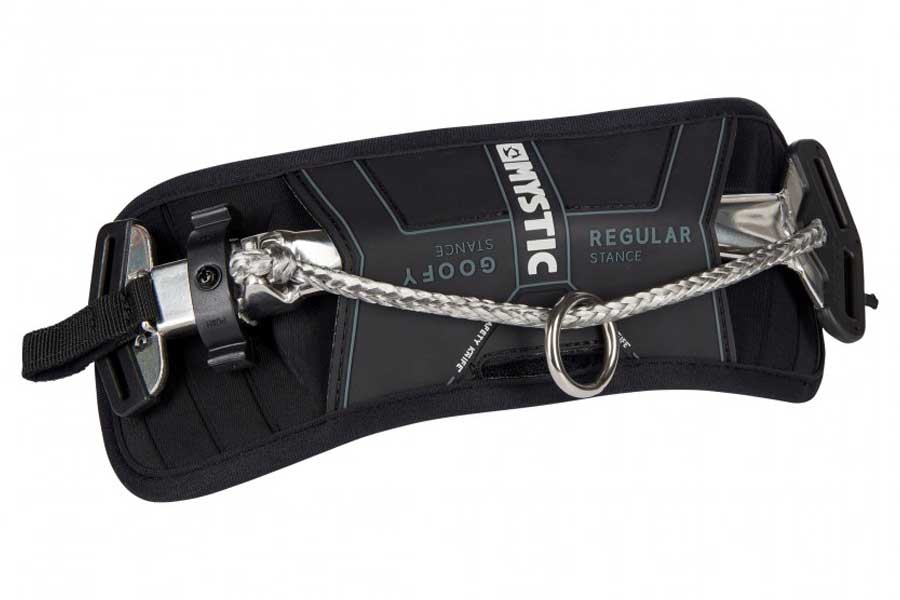
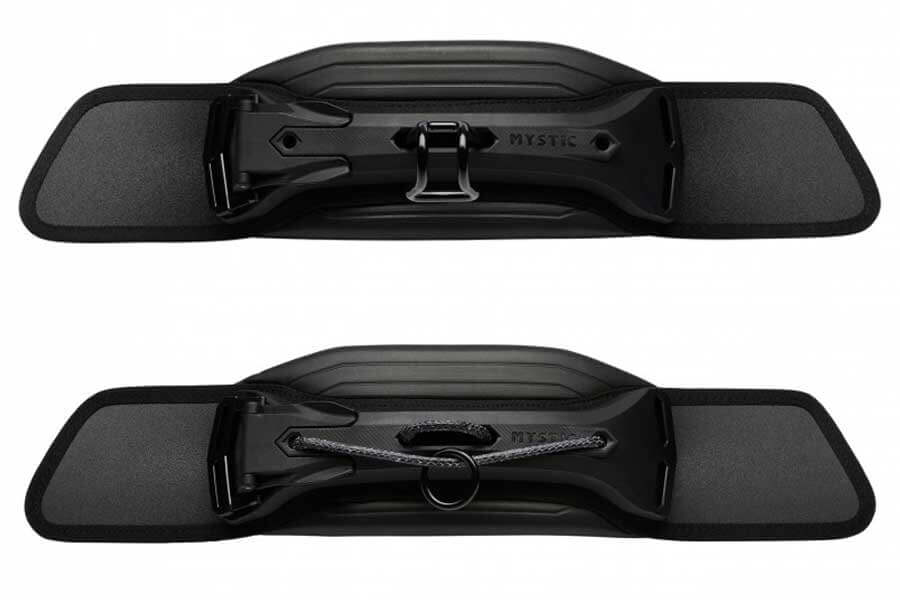
Some harnesses are offered including a spreader bar. But for more advanced harnesses you can choose which spreader you want to ride. You can choose for a hooked spreader bar, a slider spreader bar or now a days you have also some spreader bars which can offer both disciplines in one spreader bar.
Spreader Bar with Hook
This is a fixed connection, where you hook in your chicken loop and secure it with your chicken stick. This results in a more direct feedback from your kite. Twintip riders most often use spreader bars with hooks. As most beginners start off on a twintip, you should get a spreader bar with hook first.
Slider
For this connection, you open your chicken loop, pull it under the slider and stick your chicken loop back into your quick release. This connection can therefore slide from left to right. This results in more freedom of movement, when twisting your hips. Wave-riders and foilers often prefer spreader bars with sliders.
Combination of hook and slider:
The Stealth slider spreader bar of Mystic has a loop, which you can use to pull the slider ring through and this will give you the same experience as a hooked spreader bar. When you mostly practice wave riding, but like to use your Twintip in some cases this option can be very nice.
As beginner always start with a short leash. Long leash is only convenient when you freestyle and unhook.
You should always make use of the option to connect your leash in the front.
Rinse it regularly with cold, fresh water and do not dry it in direct sun light
No, windsurfing harnesses should not be used for kitesurfing! Windsurfing hooks have a different shape than kitesurfing hooks and are not compatible with your chicken loop and stick
No, never use a board leash for kitesurfing! This is a ground rule, as the chances are very high, that you will injure yourself
Contacta con nuestra atención al cliente para recibir asesoramiento
Gestiona tu consentimiento de cookies
Queremos ofrecerte la mejor experiencia y las ofertas más relevantes en nuestra web, redes y anuncios. Para ello necesitamos instalar cookies y recoger algunos datos. Si estás de acuerdo, ¡pulsa el botón verde de aceptar! Para más información, haz clic aquí o ajusta la configuración a tu gusto.
Funcionales
Siempre activas
Cookies necesarias para el correcto funcionamiento de la web. Estas cookies son imprescindibles para que puedas iniciar sesión, realizar una compra y acciones similares.
Cookies analíticas
Para conocer cómo funciona nuestra web y cómo podemos mejorarla, de modo que te ofrezcamos una mejor experiencia. Necesitamos instalar cookies analíticas y recoger datos de análisis.
Cookies publicitarias
Queremos ofrecerte la comunicación más relevante en nuestra web y en otros medios digitales y publicidad. Para poder optimizar nuestra publicidad y comunicaciones similares fuera del sitio, necesitamos instalar cookies publicitarias y recoger datos promocionales.
Compartir datos de usuario
Para medir el rendimiento de nuestra publicidad necesitamos conocer qué funciona y qué no. Para ofrecerte la mejor experiencia publicitaria, compartimos datos de usuario con nuestras principales plataformas publicitarias, como Google y Meta.
Cookies de personalización
Para ofrecerte una experiencia personalizada en nuestra publicidad, por ejemplo en función de tu visita a la web, instalamos cookies y recogemos información sobre las visitas y la interacción colectiva en la web. Así podemos personalizar nuestra publicidad según tus intereses.